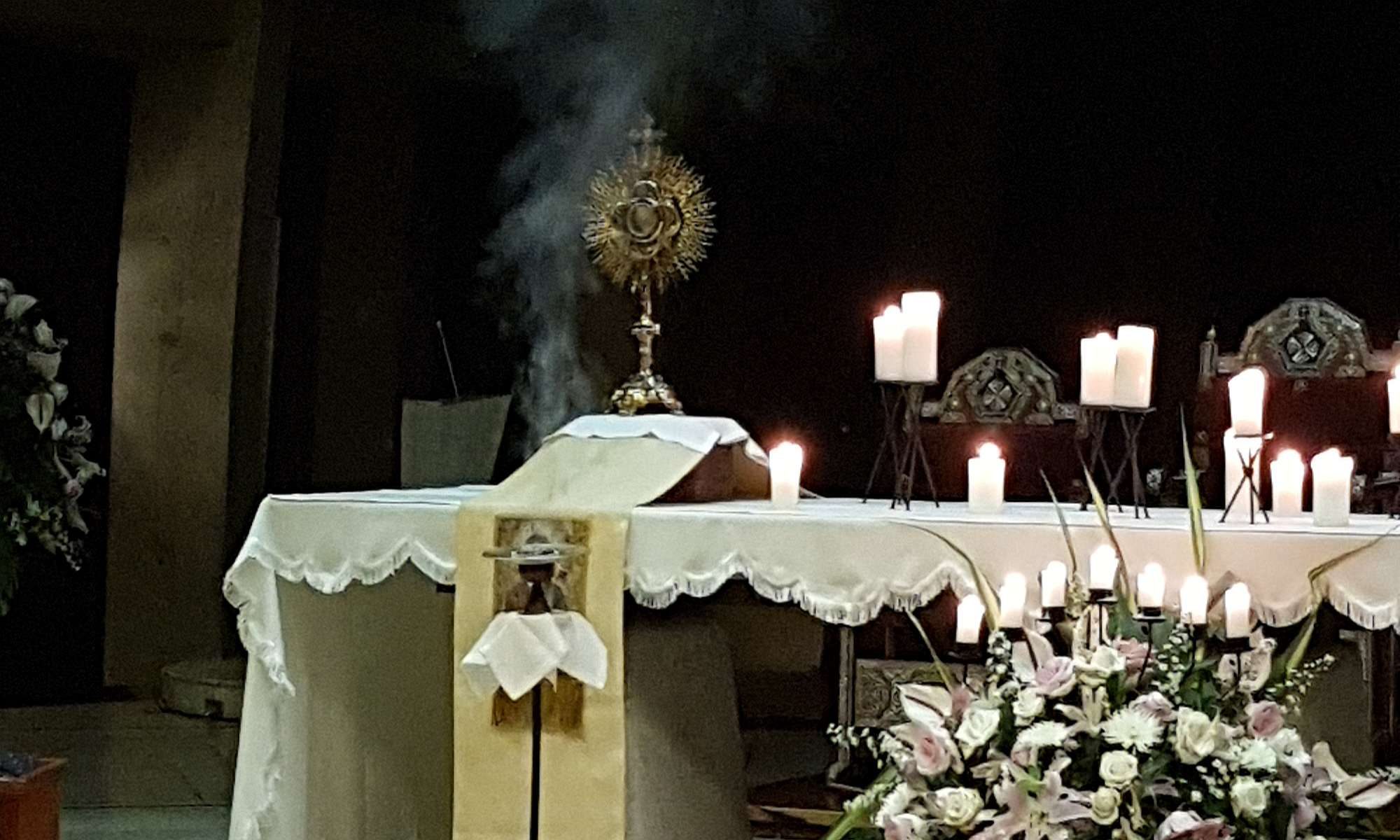
148.1. Así como no llamas “lluvia” a la caída de una gota de agua, ni es una gota la que sacia la sed del sediento ni la que hacer reverdecer el jardín, así tampoco debes llamar “predicación” a una palabra hermosa y ni siquiera a un buen sermón. Una verdadera predicación es como una lluvia que, llegando a la aridez de este mundo, le hace revivir para Dios. Una frase bonita o una buena plática pueden ser el comienzo de un aguacero de gracias, pero si no van acompañados por esa eficacia que la lluvia tiene en la naturaleza incluso pueden hacer daño. Tú sabes, en efecto, que una media verdad es a veces más peligrosa que una completa mentira.
Sanacion de la Relacion con el Papa y la Mama
En un Congreso de Familias, muchos y muchas descubren cómo la oración y la intercesión de personas específicas (“papás sustitutos” y “mamás sustitutas”) pueden traer niveles impresionantes de sanación.
Oracion Profunda de Sanacion
Pedimos al Señor que derribe las murallas del miedo, del respeto humano y de la soberbia para buscar con amor y humildad la certeza interior del señorío de Jesucristo sobre todo nuestro ser.
El bien de la meditacion sobre la muerte
Muchos santos han sido representados con una calavera como señal de su hábito de meditar sobre la muerte. ¿Por qué lo hacían y con qué frutos? ¿Es este un pensamiento triste o en cambio profundamente liberador?
Ejercicios sobre el perdon, 60
Visualizar el Perdón: Dentro de la escuela de la vida, el perdón es una de las materias más difíciles de aprender. Pensamos que guardar rencor es más fácil y más seguro, ya que esto impide que las personas que en algún momento nos hicieron daño, nos vuelvan a lastimar. Nada más lejos de la verdad.
Continuar leyendo “Ejercicios sobre el perdon, 60”
Oracion de paz y liberacion
Se trata de una oración en lenguas realizada en la Casa de los Santos Angeles, en el contexto de un seminario de conversión y familia.
Oracion de Sanacion en la Santa Misa
Un momento de bendición inspirado y sostenido por la fuerza del sacramento por excelencia.
Meditacion Devota de la Pasion de Cristo (19 de 33)
La Pasión de Jesucristo: El testimonio del Amor más Grande; la fuente viva de nuestra redención; la razón de toda nuestra esperanza; el principio sólido del amor que nos une; la revelación de la misericordia en su forma más perfecta. Tema 19: El camino del calvario
Poder de los Sacramentos – Poder de Cristo
La omnipotencia y la benevolencia son como dos colores complementarios de la santidad de Cristo. En los sacramentos experimentamos la verdad y la acción del Cuerpo de Cristo, el Verbo Encarnado.
147. La Dama Pobreza
147.1. En el Nombre del Padre, y del Hijo, y del Espíritu Santo.
147.2. Tu pobreza se llama fragilidad. La pobreza tiene muchos nombres, tantos cuantos son o pueden ser las carencias del ser humano.
147.3. Así, hay una pobreza que se llama ignorancia, porque la carencia del saber o de la ciencia conveniente hace pobre al hombre y le limita. De otro modo es pobre el que quisiera perdonar y no puede. Su resentimiento es una forma de pobreza, por consiguiente. Hay otro que anhela una salud que no le llega; es pobre en salud, y su enfermedad es también un modo de pobreza. La depresión que se adueña del alma robándole todo sosiego, ¿no es también un modo de durísima pobreza? Y desde luego, hay una pobreza por la que ha de pasar todo ser humano, cuando se vea despojado de todo. Es la pobreza de la muerte.
Ejercicios sobre el perdon, 59
Ejercicio: Ver a Dios en la naturaleza: Retírate con tu imaginación a cualquier lugar propicio y crea un clima de silencio y alabanza; una iglesia silenciosa, una terraza bajo un cielo estrellado, la playa, la cima de una montaña, la orilla de un río, un lugar donde haya abundantes árboles de pino.
Imagina la naturaleza alrededor, árboles, pájaros, animales, el cielo, la montaña…Contempla la naturaleza y absorbe el silencio que ella transmite…Experimenta la naturaleza en movimiento: el frescor de la mañana, el calor del medio día, los colores del poniente, la oscuridad de la noche, las estrellas, la luna… Pregunta a la naturaleza, a los árboles, a los pájaros, al río, a la montaña, a las estrellas, si tienen algún mensaje para darte. Pregunta, sobre todo, a las personas si tienen algo que decirte. “Oh valles y espesuras/ plantadas por la mano del Amado,/ decid si por vosotras ha pasado”… Pregunta también al Señor lo que tiene que decirte por medio de la naturaleza. Espera la respuesta de Dios. Puede ser una palabra, una frase, un silencio… Piensa: a través de tus ojos Dios contempla la belleza de la creación. Invita al Señor a mirar a través de tus ojos las cosas más bellas que El ha creado. Si te inspiras en la Biblia, invita a la creación a glorificar al Señor con el cántico de Daniel (3,52-90).
Meditacion Devota de la Pasion de Cristo (18 de 33)
La Pasión de Jesucristo: El testimonio del Amor más Grande; la fuente viva de nuestra redención; la razón de toda nuestra esperanza; el principio sólido del amor que nos une; la revelación de la misericordia en su forma más perfecta. Tema 18: Jesus es condenado a muerte
El misterio del hombre solo se esclarece en el misterio del Verbo encarnado
¡[Jesucristo] Redentor del mundo! En Él se ha revelado de un modo nuevo y más admirable la verdad fundamental sobre la creación que testimonia el Libro del Génesis cuando repite varias veces: “Y vio Dios ser bueno”. El bien tiene su fuente en la Sabiduría y en el Amor. En Jesucristo, el mundo visible, creado por Dios para el hombre —el mundo que, entrando el pecado está sujeto a la vanidad— adquiere nuevamente el vínculo original con la misma fuente divina de la Sabiduría y del Amor. En efecto, “amó Dios tanto al mundo, que le dio su unigénito Hijo”. Así como en el hombre-Adán este vínculo quedó roto, así en el Hombre-Cristo ha quedado unido de nuevo. ¿Es posible que no nos convenzan, a nosotros hombres del siglo XX, las palabras del Apóstol de las gentes, pronunciadas con arrebatadora elocuencia, acerca de “la creación entera que hasta ahora gime y siente dolores de parto” y “está esperando la manifestación de los hijos de Dios”, acerca de la creación que está sujeta a la vanidad? El inmenso progreso, jamás conocido, que se ha verificado particularmente durante este nuestro siglo, en el campo de dominación del mundo por parte del hombre, ¿no revela quizá el mismo, y por lo demás en un grado jamás antes alcanzado, esa multiforme sumisión “a la vanidad”? Baste recordar aquí algunos fenómenos como la amenaza de contaminación del ambiente natural en los lugares de rápida industrialización, o también los conflictos armados que explotan y se repiten continuamente, o las perspectivas de autodestrucción a través del uso de las armas atómicas: al hidrógeno, al neutrón y similares, la falta de respeto a la vida de los no-nacidos. El mundo de la nueva época, el mundo de los vuelos cósmicos, el mundo de las conquistas científicas y técnicas, jamás logradas anteriormente, ¿no es al mismo tiempo que “gime y sufre” y “está esperando la manifestación de los hijos de Dios”?
Continuar leyendo “El misterio del hombre solo se esclarece en el misterio del Verbo encarnado”
146. Los Tres Demonios
146.1. Ven, quiero contarte una historia.
146.2. Hubo una antigua aldea rodeada de grandes campos. Los habitantes de aquel lugar cultivaban sobre todo cereales: trigo, cebada, avena y centeno.
Los días transcurrieron tranquilos hasta que a un joven llamado Evaristo se le ocurrió que a aquel sitio le faltaba algo. Fue entonces a hablar con el alcalde y le expuso su preocupación:
—Sé que nuestro pequeño pueblo es apacible y bello, pero algo le falta, y yo quiero ayudar a construirlo.
—No careces de entendimiento, jovenzuelo —replicó el alcalde—. ¡Digno heredero de tu noble familia, al fin y al cabo! Piensa de qué se trata y, si ves que puedo ayudarte, estaré a tus órdenes.
Evaristo fue entonces donde el cura del lugar:
—Padre, estoy convencido de que a este sitio le falta algo…
El sacerdote lo interrumpió:
—Son las inquietudes de tu joven corazón las que te hacen imaginar tales cosas. Nada falta afuera de ti, es más bien tu alma la que necesita ser reformada.
Evaristo quería decir algo más, pero se llevó la mano a la boca y se despidió de prisa.
Fue después donde su tío y consejero, aquel que tantas veces le había ayudado a ver con claridad. El pobre Evaristo había perdido a su padre desde muy niño, y el tío Alfonso había sido desde entonces como un papá para él. Entró, pues, al taller del tío, y se decidió a plantear su inquietud en forma de pregunta:
—Tío, ¿tú no crees que a este pueblo le hace falta algo?
El buen Alfonso se quedó perplejo.
—Me imagino que sí, pero, si te soy sincero, nunca me lo había preguntado.
Y según su costumbre, le devolvió la pregunta:
—¿Tú qué piensas que nos hace falta?
El muchacho se asomó a la ventana y hundió la mirada en los campos, que ya estaban maduros para la siega. Tratando de poner sus pensamientos y sentimientos en palabras, empezó a hablar así:
—Mira ese campo, tío: está lleno de alimento para nosotros y nuestros ganados, para nuestro comercio y para el duro invierno que tendrá que llegar.
—Así es siempre, ¿no?
El joven continuó, como si no quisiera más interrupciones.
—Ahora vuelve tu mirada a esta aldea. Nosotros hacemos que ese campo se llene de trigo y alimento, y luego nos comemos lo que sembramos, y volvemos a sembrar.
El tío vio que Evaristo estaba demasiado serio como para hacer ningún comentario, pero en el fondo esos razonamientos empezaban a parecerle obvios y ridículos. El sobrino siguió impertérrito:
—Estamos rodeados de nuestro trabajo, y nuestro trabajo se vuelve nuestra comida; luego con la fuerza de esa comida trabajamos para seguir comiendo… ¡hay algo que falta!
Era la primera vez que Alfonso simplemente no tenía idea de qué decirle a su amado Evaristo, así que se quedó mirándolo con una mezcla de solidaridad y extrañeza. El joven volvió a clavar la mirada en el horizonte. Sin pensar mucho en lo que le saliera, Alfonso disparó una frase:
—No sé qué hace falta, pero sí sé quién va a traerlo. ¿Ves ese campo? A mí me gusta el dorado de la cosecha, que me recuerda el cabello de mi hija Fabia. Si tú quieres algo distinto en esa ventana, ¡hazlo! ¡Haz que yo pueda verlo!
Evaristo salió de la casa del tío, y se sintió el hombre más solo del mundo. Caminó hasta las afueras del pueblo y dejó pasar los minutos y las horas, hasta que la noche hizo salir hasta la más pequeña de las estrellas. Era una noche sin luna, de modo que las sombras de las lejanas colinas semejaban fantásticos monstruos venidos de otro tiempo.
Ejercicios sobre el perdon, 58
Carta de una joven religiosa desde la trágica Bosnia: Soy Lucy, una de las jóvenes religiosas que ha sido violada por los soldados serbios. Le escribo, Madre, después de lo que nos ha sucedido a mis hermanas Tatiana, Sandria y a mí. Permítame no entrar en detalles del hecho.
Hay en la vida experiencias tan atroces, que no pueden contarse a nadie más que a Dios, a cuyo servicio, hace apenas un año me consagré. Mi drama no es tanto la humillación que padecí como mujer, ni la ofensa incurable hecha a mi vocación de consagrada, sino la dificultad de incorporar a mi Fe un evento que ciertamente forma parte de la misteriosa voluntad de Aquel, a quien siempre consideraré mi Esposo Divino. Hacía pocos días que había leído “Diálogo de Carmelitas”, y espontáneamente pedí al Señor la gracia de poder yo también morir mártir. Dios me tomó la palabra, pero, ¡de qué manera!
Meditacion Devota de la Pasion de Cristo (17 de 33)
La Pasión de Jesucristo: El testimonio del Amor más Grande; la fuente viva de nuestra redención; la razón de toda nuestra esperanza; el principio sólido del amor que nos une; la revelación de la misericordia en su forma más perfecta. Tema 17: Jesús flagelado y coronado de espinas